Seizing New Opportunities for Green Compliance | Our Company Attends EU CBAM Seminar in Shanghai to Deepen Carbon Trade Layout
- Share
- publisher
- Sun
- Issue Time
- Apr 29,2026
Summary
On April 22, 2026, a special seminar on the EU Carbon Border Adjustment Mechanism (CBAM)
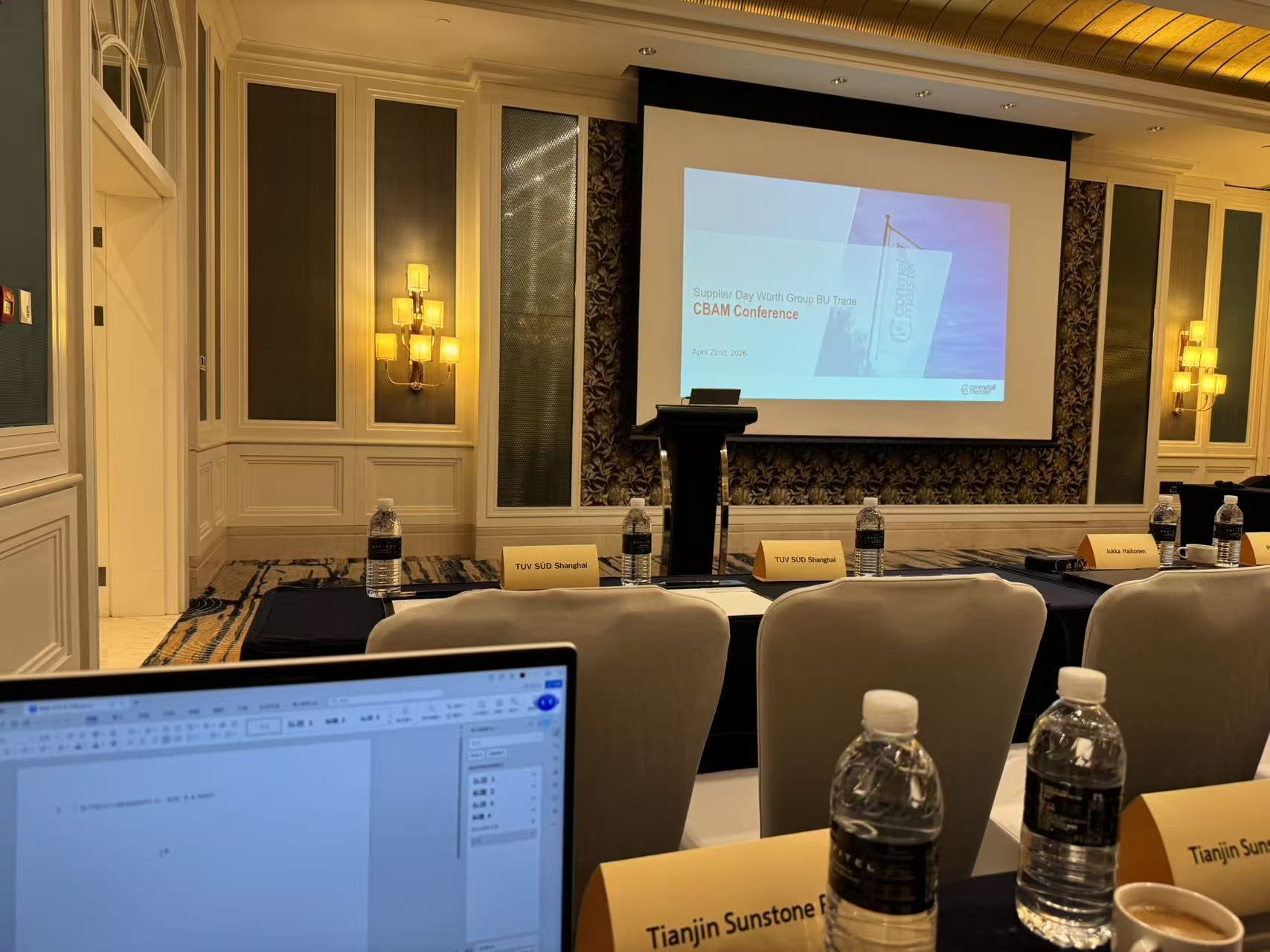
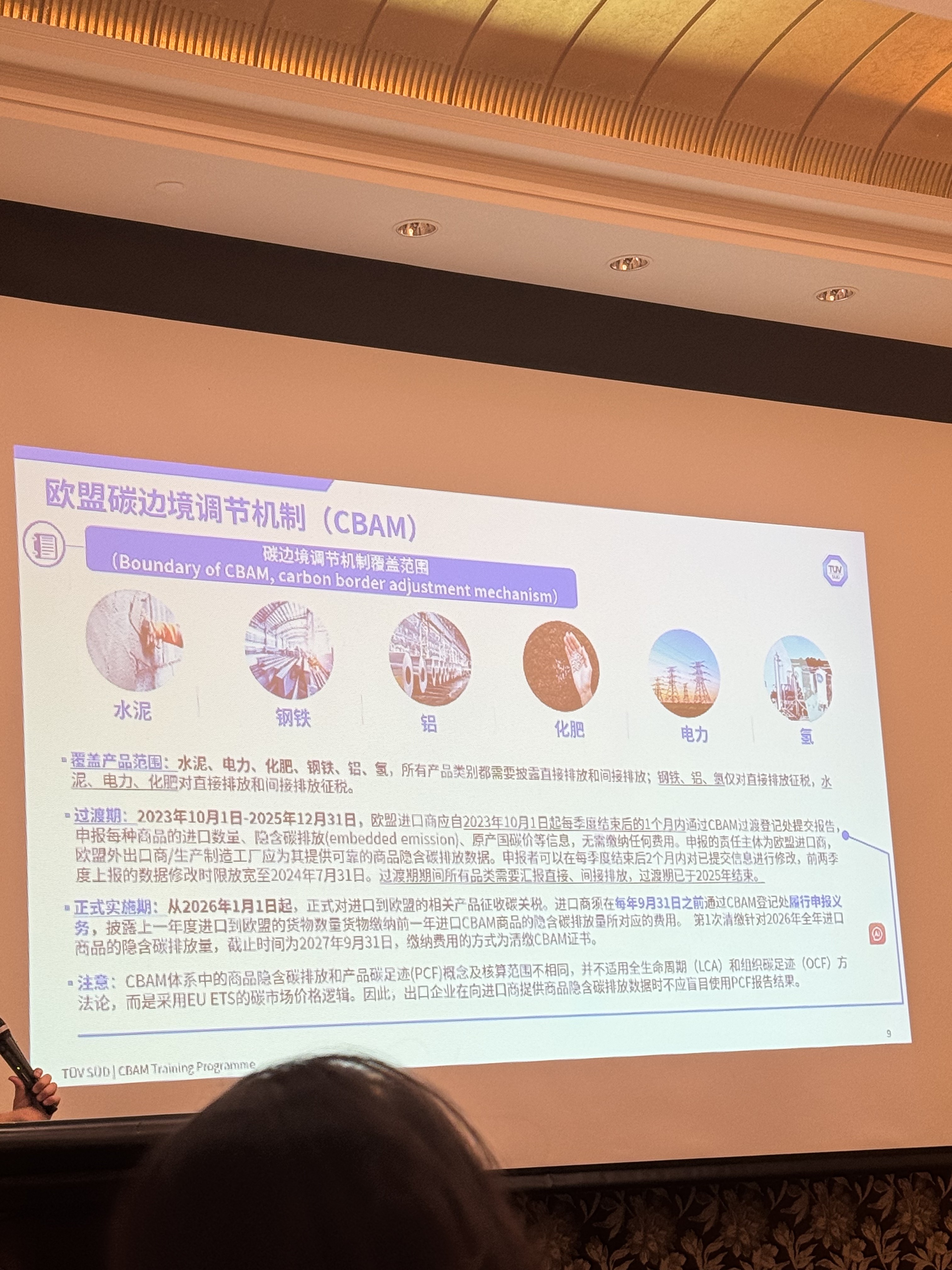
On April 22, 2026, a special seminar on the EU Carbon Border Adjustment Mechanism (CBAM), organized by Conmetall Meister, was successfully held in Shanghai. Centering on the official compliance requirements, cost impacts and corporate coping strategies after the formal implementation of CBAM, the conference aimed to help foreign trade enterprises tackle green trade barriers. As a key enterprise deeply engaged in EU trade, our company sent representatives to attend the event and participate in in-depth industry exchanges and policy discussions. Decoding the Latest CBAM Compliance Requirements Aligned with the global trend of green trade reform, the conference focused on interpreting the official implementation rules and key enforcement guidelines of CBAM for 2026. Officially fully enforced on January 1, 2026, CBAM currently covers six high-carbon sectors: iron and steel, aluminum, cement, fertilizers, electricity and hydrogen. Importers are required to purchase CBAM certificates corresponding to the embedded carbon emissions of imported goods, with certificate prices linked to the EU ETS carbon market. It was clarified at the meeting that CBAM compliance obligations have extended to the entire supply chain. The EU plans to expand the regulatory scope to steel and aluminum-intensive downstream products such as machinery equipment and auto parts by 2028, raising higher standards for Chinese exporters in carbon accounting, data verification and low-carbon transformation. Industry experts elaborated on core topics including carbon footprint accounting standards, third-party verification procedures, carbon cost deduction rules and practical compliance declaration operations, analyzing common pain points and solutions for enterprises in data traceability, certificate procurement and annual settlement with practical cases. Exploring Green Transformation Paths via Industry Exchanges The seminar gathered enterprise representatives, industry experts and compliance professionals from metal processing, building materials, international trade and other sectors to discuss the reshaping of trade competitiveness under CBAM. Participants reached a consensus that CBAM has evolved from an environmental policy into a substantive trade regulation, and carbon intensity as well as credible carbon data have become key factors affecting market access and cost advantages. Attaching great importance to green compliance development, our delegates thoroughly studied relevant policies during the conference. We conducted in-depth discussions with industry peers on the construction of carbon footprint management systems, low-carbon technological upgrading and supply chain carbon data coordination, and shared practical experience in responding to CBAM for high-carbon industries, laying a solid foundation for optimizing EU trade strategies and reducing carbon compliance costs. Consolidating the Foundation of Green Trade with Compliance First This participation marks an important step for our company to proactively align with international green trade rules and strengthen compliance management. Amid increasingly stringent global carbon reduction policies, low-carbon and sustainable development have become core competitiveness in international trade. Moving forward, we will take this seminar as an opportunity to advance key initiatives: 1. Improve the carbon management system, establish full-process carbon footprint accounting and traceability mechanisms, and standardize product carbon data management; 2. Enhance compliance capacity by cooperating with EU-recognized third-party verification institutions and preparing for carbon certification and compliance declaration in advance; 3. Accelerate low-carbon upgrading by optimizing production processes and promoting eco-friendly technologies to reduce product carbon intensity at the source. Faced with challenges and opportunities brought by CBAM, our company will adhere to the principle of compliance and green development, proactively adapt to changes in international trade rules, and stabilize and expand the EU market with solid compliance capabilities. We will strive for high-quality development amid the new landscape of global green trade.