Hinge Countersunk Holes vs Round Holes – Key Differences
- Share
- publisher
- Sun
- Issue Time
- Jun 26,2026
Summary
1. Appearance & Screw Installation
Countersunk Hole Hinge
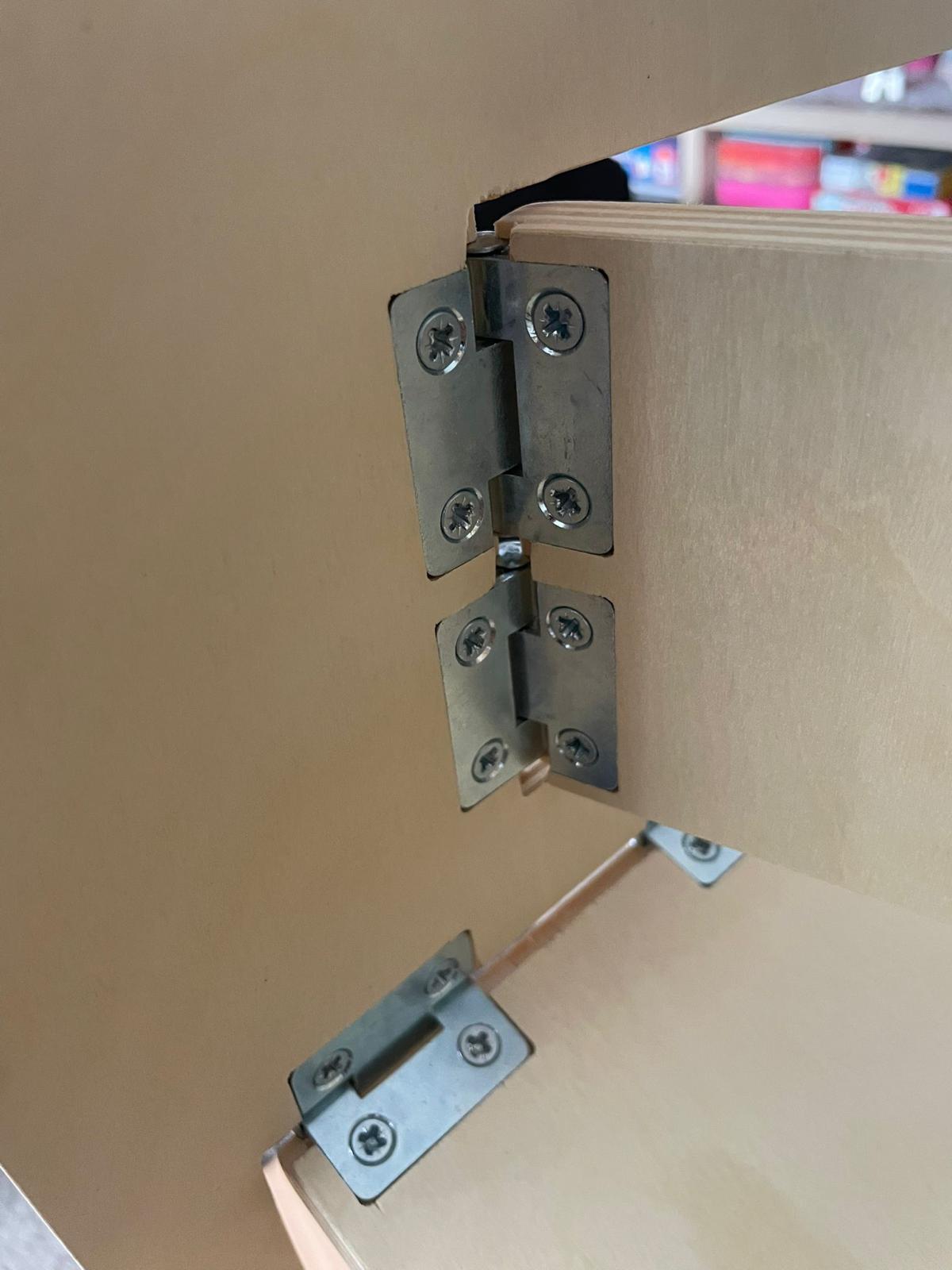
Tapered chamfered holes allow screw heads to sink fully flush with the hinge surface for a smooth flat finish.
Matched with countersunk head self-tapping screws.
No protruding hardware after installation; no scratching on cabinet doors or hands.
Hinge Countersunk Holes vs Round Holes – Key Differences
1. Appearance & Screw Installation
Countersunk Hole Hinge
Tapered chamfered holes allow screw heads to sink fully flush with the hinge surface for a smooth flat finish.
Matched with countersunk head self-tapping screws.
No protruding hardware after installation; no scratching on cabinet doors or hands.
Round Straight Hole Hinge
Straight cylindrical through holes with no bevel; screw heads stick out above the hinge surface.
Matched with pan-head / round-head screws.
Raised screw heads cause friction during door opening and closing.
2. Application Scenarios
Countersunk Hole Hinges (Mainstream for Household Use)
Cabinet hinges, flat door hinges, wooden cabinet doors, wardrobe doors, interior wooden doors
Places requiring a smooth neat surface with frequent opening/closing and no scratch risks
Thin decorative panels where protruding screw heads ruin appearance
Round Hole Hinges (Industrial & Light Temporary Use)
Heavy-duty industrial hinges, equipment enclosures, toolboxes, metal lockers, container hinges
High-load applications using thick round-head screws for superior pull resistance
Temporary cabinets, outdoor iron gates where surface flatness is not a priority
3. Load Performance, Advantages & Disadvantages
Countersunk Hole Hinges
✅ Pros: Flush, aesthetic, scratch-free, no jamming when closing doors
❌ Cons: Countersinking reduces the hinge’s metal thickness; holes may crack under extreme heavy load; only compatible with countersunk screws
Round Straight Hole Hinges
✅ Pros: Intact full-thickness hole walls for higher structural strength and load capacity; larger screw contact surface prevents slipping threads
❌ Cons: Exposed screw heads scratch fabrics and bump panels; inferior appearance
Quick Selection Guide
Household wooden doors, kitchen cabinets, wardrobes → Choose countersunk hole hinges
Heavy iron gates, machinery cabinets, high-load hardware → Choose round hole hinges
Do not mismatch screws: Countersunk holes require countersunk screws; round holes fit pan-head screws. Improper matching leads to uneven fitting and loose fasteners.
Key Terms Glossary